ss: its low-voltage battery system.
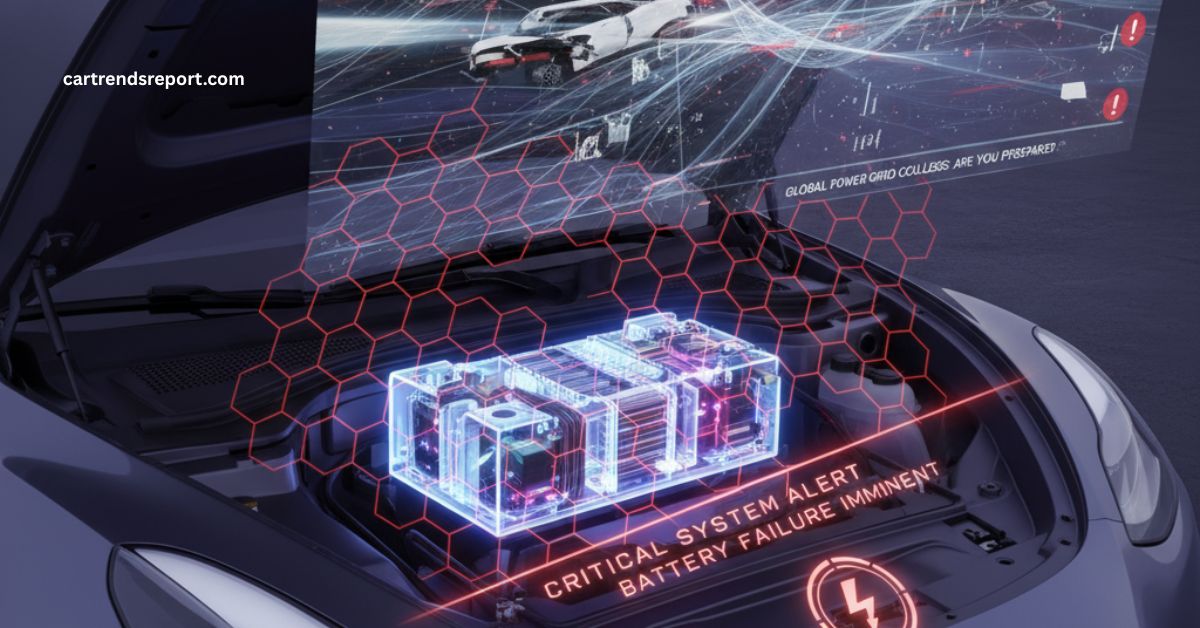
The NHTSA probe into malfunctioning door handles shows how critical low-voltage power is for everyday functions like locking, unlocking, and safety features. While Tesla’s high-voltage battery powers the drivetrain, a smaller 12V battery supports these essentials.
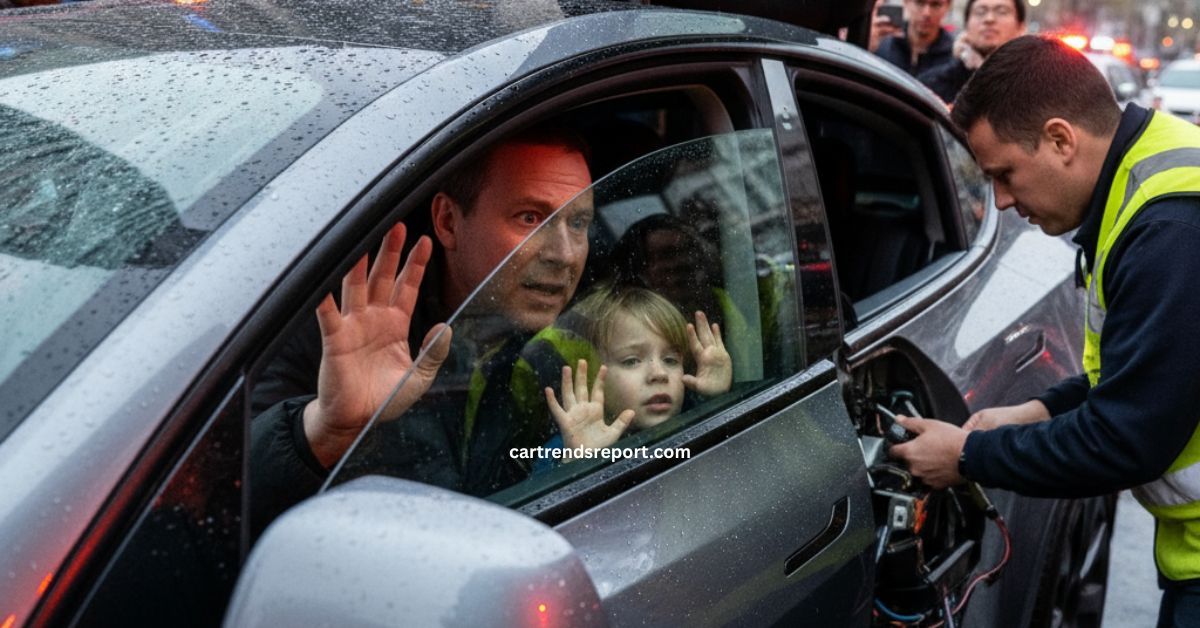
When this low-voltage system fails, owners may find themselves unable to open doors—exactly what nine Model Y owners reported. Parents especially were alarmed, saying their kids were trapped inside, forcing them to break windows.
Unlike conventional cars, Tesla doesn’t always give clear warnings before the low-voltage battery fails. This raises concerns about whether Tesla needs to redesign or strengthen its monitoring systems.
Experts argue that as EVs evolve, manufacturers must ensure backup solutions are simple and accessible. Tesla’s current manual override, which involves applying 12V power under the hood, is too complicated for most users.
For Tesla, this incident could spark broader discussions about EV design standards and how much redundancy should be built into critical systems.
How does the battery cause door failures?
When the low-voltage battery drops, the electric door handles stop functioning without warning.
Why is Tesla’s system considered a weak spot?
Unlike traditional cars, Tesla’s system gives no alerts before the failure, making it harder for drivers to react.
Could Tesla fix this issue with software updates?
A software fix may help in warnings, but if the hardware is faulty, Tesla may need to replace parts.